



Electronics Manufacturing Software
Digit lets electronics manufacturers track parts, assemblies, and production in one place. You can see where every part is, keep jobs moving, and have records ready for audits.












Keep your shelves stocked and know exactly where your components, parts, and sub-assemblies are at all times.
Including:
- Real-time visibility across all sites, bins, and work centers
- Set reorder points for notifications to prevent production delays
- Barcode scanning for fast, accurate transactions on the floor
- Full integration with purchasing and receiving for instant updates
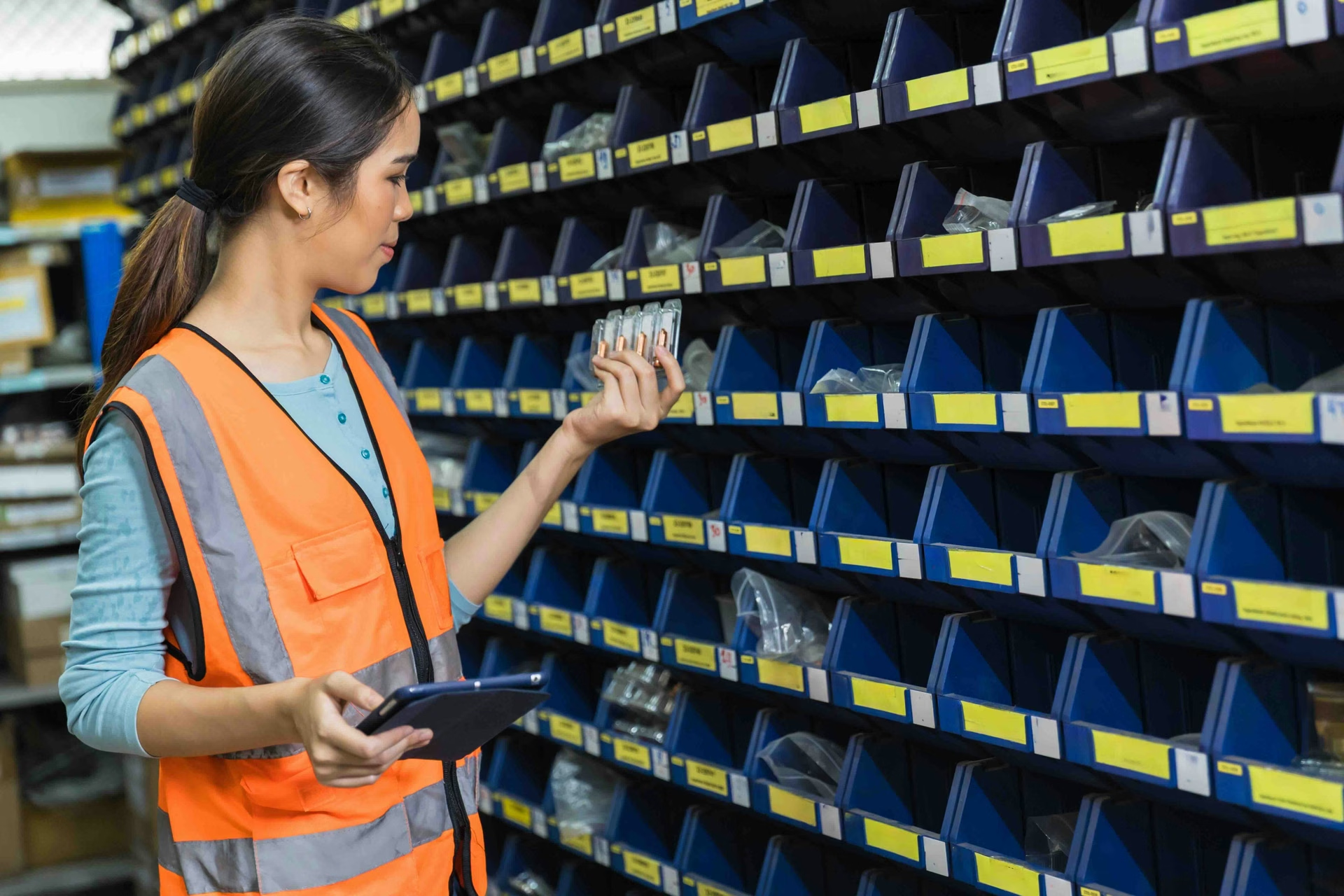
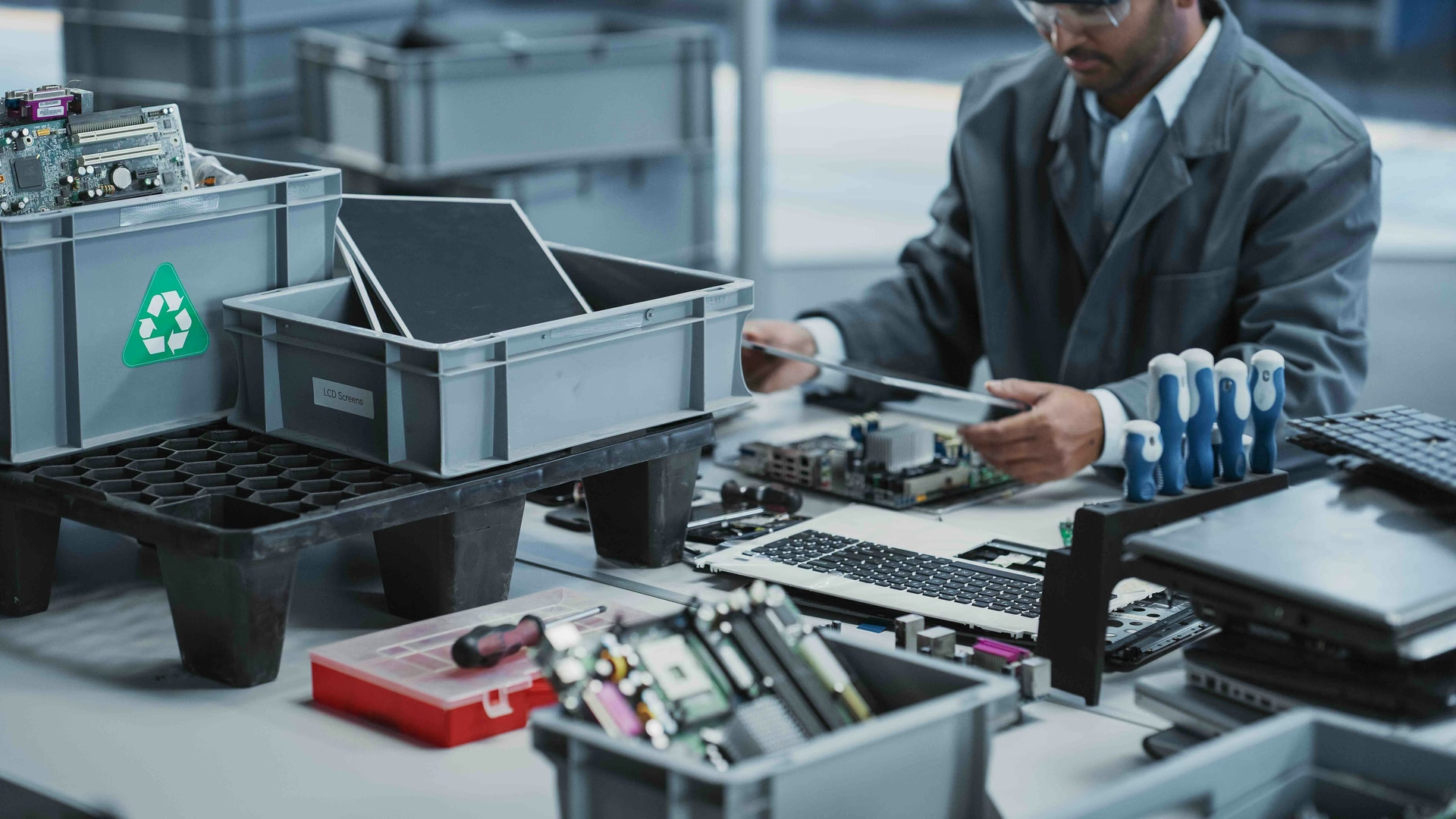
With electronics production software, your lines and quality records are always in sync and easy to access in a single system.
Including:
- Multi-level BOMs with version control for components and assemblies
- Live production tracking across work orders and work centers
- Quality inspections are logged directly in each job record
- Automatic alerts for any missing components
Traceability becomes simple with Digit, thanks to live data and records that are created for you automatically.
Including:
- Full lot and serial tracking from supplier to shipment
- Automatic creation of work order reports, packing slips, and compliance documentation
- Document storage for inspection data, certifications, and part approvals
- Search and filter a product’s history instantly for audits or recalls

Start Shipping More
Products with Digit
Bring your inventory, accounting, and production together in stock management software built for manufacturers. Keep every part of your business connected, accurate, and easy to track.


A single source of truth for your business
Bring every sales channel and accounting tool together in one system with seamless syncing and flexible API access.





Built for the industries that make things.
Bring every sales channel and accounting tool together in one system with seamless syncing and flexible API access.










Real operators. Real results.
100+ manufacturers and distributors have replaced spreadsheets and legacy ERPs with Digit.

If I can capture two seconds across 19 machines across a 24-hour span, I'll save the customer thousands of dollars.
Chris Johnson



“The impact Digit has had has been enormous, saving a lot of time, capturing a lot of data, streamlining a lot of processes, with a system that everyone loves to use.”
Tanner Thomas

“Digit has given us the insight into current and upcoming stock on our ingredients and raw materials needed for production. This allows us to procure more before we stock out and to be confident that we have enough to finish any upcoming production run.”
Adam Davis
"Digit is the most adaptable, user-friendly software we have ever used."
Joe Watkins
%2520(1).webp)
"With Digit, everything from our inventory to our production data is the word of truth. I can trust it. I can rely on it."
Joshua Burris
Questions? Answers.
Your most frequently asked questions, all in one place. If you don’t see what you need, reach out to us.
When rework is needed, electronics manufacturers follow a clear repair process.
First, teams find defects using tests or cameras, then carefully remove the faulty part with hot air, soldering irons, or vacuum tools. After cleaning the pads, they place a new component and resolder it, sometimes reballing BGAs. Finally, they inspect and test the repair, look for root causes, and update processes to help prevent the same mistakes in the future.
To keep track of components, manufacturers assign each part a unique ID, often with barcodes, QR codes, RFID tags, or laser markings.
As parts move through receiving, assembly, and testing, teams scan these IDs. Systems such as electronics MES and ERP software track each part’s history. Some companies use AI cameras or blockchain to make tracking even more accurate. This traceability makes it easier to control quality, catch mistakes early, and handle recalls quickly and safely.
To manage component obsolescence, teams keep an eye on part lifecycles, build strong relationships with suppliers, and plan ahead.
They use databases and supplier alerts to spot parts that are about to go obsolete, then plan last-time buys or pick alternatives. Designing products with flexible, modular parts helps avoid major redesigns. Regular BOM reviews, careful inventory planning, and teamwork across departments help keep production on track and avoid expensive delays when parts run out.
IPC-A-610 compliance means following the global gold standard for judging how well an electronic assembly is built.
It provides clear visual rules for solder quality, component placement, wiring, and cleanliness. The standard has three classes, from everyday electronics to high-reliability products like medical or aerospace. By meeting IPC-A-610, manufacturers ensure consistent quality, fewer defects, and products customers can trust. Certification also shows workers know how to apply these rules correctly.
Manufacturers use BOMs in EMS software to list every part, material, and step needed to build a product.
Instead of messy spreadsheets, teams get one accurate place to manage components, costs, and build instructions. BOM software works for both single- and multi-level assemblies, tracks version changes, and connects materials to workstations and routes. This helps improve quality, cut down on mistakes, and makes it easier to plan, build, and update products.
An Approved Vendor List (AVL), sometimes called an Approved Supplier List, is a list of suppliers a company trusts because they’ve passed checks for quality, reliability, and safety.
Only vendors on the AVL can supply parts or services. This reduces risk, keeps quality high, and makes purchasing faster. Teams review and update the list regularly to make sure vendors still meet the company’s standards.
Counterfeit component detection means finding fake or altered electronic parts before they end up in products.
Inspectors look for clues like wrong labels, sloppy markings, or signs of reuse. More advanced tests (such as X-rays, electrical checks, and even opening the chip) confirm if a part is genuine. This protects people and companies by keeping unsafe or unreliable components out of airplanes, medical devices, computers, and other important systems.
Serial number traceability in electronics means giving each item a unique number so you can track it from production all the way through shipping, use, repair, or recall.
When companies scan these numbers, they can see where a device came from, when it was made, and how it’s been used. This makes it easier to manage warranties, solve problems quickly, improve quality, and meet industry requirements.